
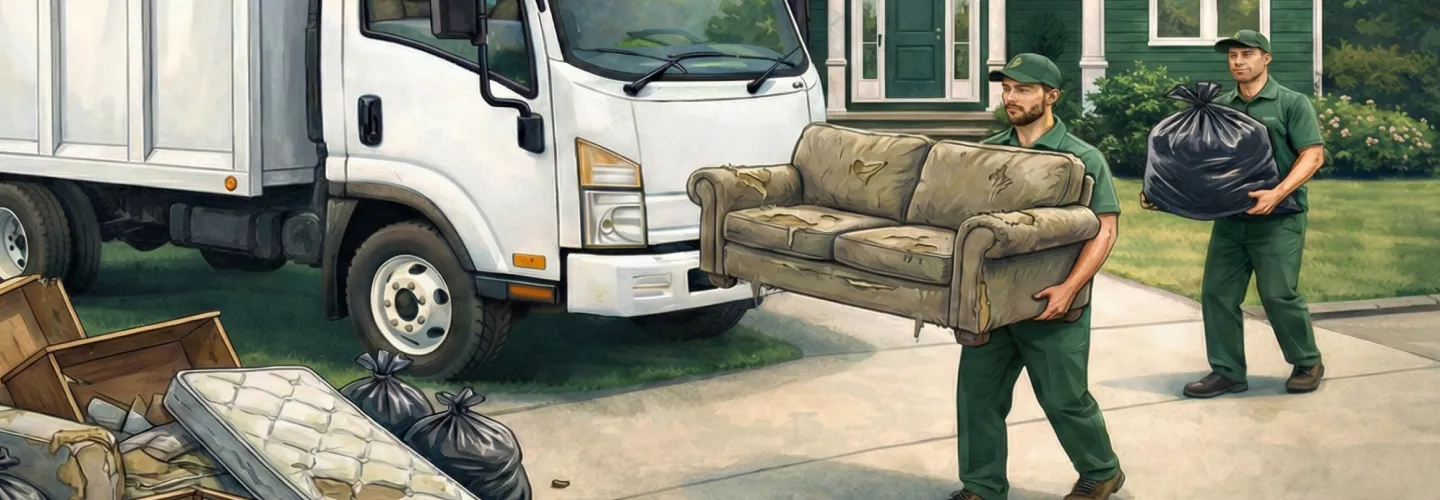
Kennesaw Hoarding Cleanup Services
Choose our hoarding cleanup team for respectful, judgment-free service that restores safety and comfort to your home—trusted by Kennesaw families for reliable results and peace of mind.
Get a Free QuoteOur Kennesaw Junk Removal Services
Hoarding Cleanup in Kennesaw, GA – Local Service Guide
Hoarding cleanup in Kennesaw, GA requires a sensitive, thorough approach tailored to local needs. Whether you’re in Legacy Park, Pinetree Country Club, or Historic Downtown, residents often seek help after major life events, seasonal cleanouts, or property transitions. For residential items like furniture, mattresses, and appliances, triggers include spring cleaning, estate transitions, or upgrades. Local options include donation, recycling, or responsible disposal, with logistics shaped by driveway access, weather, and item size. Spaces such as garages, basements, and yards see increased activity after storms or during fall leaf cycles, especially in flood-prone or tree-heavy neighborhoods. Commercial clients in areas like Barrett Parkway or Town Center face unique needs—discretion, after-hours service, and handling larger volumes are common. Specialty cleanups, including hoarding, foreclosures, and estate situations, require careful planning, coordination with property managers, and adherence to local codes. For guidance on local disposal rules and resources, visit the Kennesaw Public Works Department.
Key Considerations for Hoarding Cleanup in Kennesaw
- Timing cleanouts around local weather and seasonal events
- Securing necessary permits for large-scale removals
- Using approved disposal and recycling channels
- Ensuring clear access for trucks and crews
- Managing high volumes and category-specific items
- Coordinating with local authorities and property managers
Benefits of Hoarding Cleanup in Kennesaw
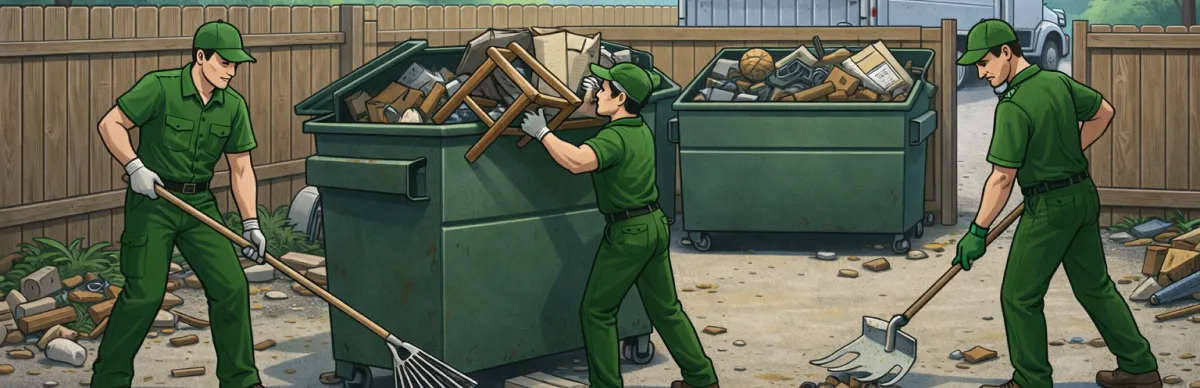
Professional and Compassionate Team
Discreet and Confidential Service
Thorough Property Restoration
Fast Response Times
Safe Removal of Hazardous Materials
Customized Cleanup Solutions
Coordinating Hoarding Cleanup with Kennesaw Code Enforcement and Public Works
Hoarding cleanup in Kennesaw requires coordination with multiple municipal departments to ensure compliance with local property maintenance standards and waste disposal regulations. Kennesaw Code Enforcement investigates violations related to accumulated debris, structural obstructions, and health hazards on residential properties. Before initiating a large-scale hoarding remediation, residents and property owners should confirm whether an active code violation exists and understand the timeline for compliance.
- Property maintenance violations may include blocked egress points, pest infestations, and exterior debris accumulation visible from public right-of-way
- Compliance deadlines are typically established by code enforcement officers following an inspection
- Waste removal coordination through Kennesaw Public Works is necessary for bulk material disposal exceeding standard residential collection limits
- Building permits may be required if structural repairs or renovations follow the cleanup process
Kennesaw Code Enforcement
2529 J.O. Stephenson Avenue, Kennesaw, GA 30144
Phone: (770) 424-8274
Official Website: Kennesaw Code Enforcement
Residents facing code violations related to hoarding conditions should contact code enforcement early to establish a remediation plan and avoid escalating penalties.
Biohazard and Hazardous Material Handling Requirements for Kennesaw Hoarding Cases
Hoarding environments frequently contain biohazardous materials, including animal waste, mold growth, spoiled food, and medical sharps, all of which require specialized handling under Georgia and federal regulations. The Georgia Environmental Protection Division (GA EPD) oversees solid waste management standards that govern the classification and disposal of hazardous and biohazardous materials generated during hoarding remediation.
- Biohazardous waste such as blood-borne pathogens, animal remains, and contaminated textiles must be segregated and disposed of through licensed medical or biohazard waste transporters
- Household hazardous waste including paint, solvents, pesticides, batteries, and cleaning chemicals cannot be placed in standard residential waste streams
- Asbestos and lead paint may be present in Kennesaw homes built before 1978; the EPA Renovation, Repair, and Painting Rule requires lead-safe work practices during disturbance of painted surfaces
- Mold remediation in heavily affected properties may require professional assessment before debris removal begins
- Sharps and medical waste must be placed in puncture-resistant containers and transported to approved disposal facilities
Workers involved in hoarding cleanup must use appropriate personal protective equipment, including respirators, gloves, and protective suits, in accordance with OSHA standards for bloodborne pathogen exposure.
Kennesaw Building Services Permits and Structural Assessments After Hoarding Remediation
Severe hoarding conditions can compromise a property's structural integrity, requiring inspection and potential building permits before or after cleanup. Kennesaw Building Services administers permits for renovation, repair, and demolition work that may follow a hoarding remediation project. Properties with extensive damage to flooring, walls, plumbing, or electrical systems may need professional assessment to determine habitability.
- Building permits are required for structural repairs, electrical rewiring, plumbing replacement, and HVAC system restoration following hoarding damage
- Plumbing and water damage should be evaluated in coordination with Cobb County Water System if sewer or water line damage is suspected
- Fire safety inspections may be requested through Cobb County Fire Department when blocked exits, damaged smoke detectors, or compromised fire suppression systems are identified
- Electrical hazards from overloaded circuits, damaged wiring, or rodent-chewed insulation require licensed electrician evaluation
Kennesaw Building Services
2529 J.O. Stephenson Avenue, Kennesaw, GA 30144
Phone: (770) 424-8274
Official Website: Kennesaw Building Services
Property owners should schedule inspections promptly after cleanup to document conditions and obtain necessary permits for restoration work.
Georgia Solid Waste Regulations and Disposal Compliance for Hoarding Debris
Hoarding cleanup generates large volumes of mixed waste that must be disposed of in compliance with the Georgia Comprehensive Solid Waste Management Act (O.C.G.A. § 12-8-20) and local Cobb County disposal requirements. Materials removed from hoarding properties typically include household goods, furniture, clothing, electronics, appliances, and potentially hazardous substances, each subject to different disposal and recycling requirements.
- Electronics such as televisions, computers, and monitors should be directed to certified e-waste recyclers; Georgia does not currently enforce a statewide e-waste landfill ban, but responsible recycling is strongly encouraged by GA EPD
- Appliances containing refrigerants (refrigerators, air conditioners, dehumidifiers) require refrigerant recovery by an EPA Section 608-certified technician before disposal
- Tires are prohibited from Georgia landfills and must be taken to licensed tire recycling facilities
- Lead-acid batteries must be recycled through authorized retailers or collection programs
- Bulk furniture and household items in usable condition may be donated to local organizations such as Habitat for Humanity ReStore or Goodwill
Georgia Environmental Protection Division
2 Martin Luther King Jr. Drive SE, Suite 1456, Atlanta, GA 30334
Phone: (404) 656-4713
Official Website: Georgia Environmental Protection Division
All waste haulers transporting hoarding debris must comply with GA EPD solid waste transportation requirements, including proper manifesting and delivery to permitted disposal facilities.
Mental Health Resources and Social Services Coordination for Kennesaw Hoarding Situations
Hoarding cleanup extends beyond physical debris removal and frequently involves coordination with mental health professionals and social service agencies. Hoarding disorder is recognized as a clinical condition, and successful remediation typically requires a compassionate, multi-disciplinary approach that addresses both the physical environment and the underlying behavioral health needs of affected individuals.
- Cobb County Community Services Board provides behavioral health assessments, counseling, and case management for residents experiencing hoarding disorder
- Adult Protective Services through the Georgia Division of Aging Services may be involved when vulnerable adults are living in unsafe hoarding conditions
- Kennesaw Police Department may conduct welfare checks or respond to complaints regarding hoarding-related health and safety concerns
Kennesaw Police Department
2529 J.O. Stephenson Avenue, Kennesaw, GA 30144
Phone: (770) 422-2505
Official Website: Kennesaw Police Department
- Cleanup professionals should work collaboratively with therapists or social workers to establish sorting protocols that respect the individual's autonomy while ensuring safety compliance
- Follow-up support including ongoing counseling and organizational coaching is recommended to prevent recurrence of hoarding conditions
- Community resources such as local support groups and the International OCD Foundation's hoarding resources can provide long-term assistance
Effective hoarding remediation in Kennesaw requires sensitivity to the emotional complexity of the situation while maintaining strict adherence to health, safety, and environmental regulations.
What Neighborhoods Do We Serve Throughout Kennesaw, GA?
- Downtown Kennesaw: Older homes near Main Street and the historic downtown district may present narrow hallways, limited staging areas, and properties with pre-1978 construction requiring lead paint awareness during hoarding remediation. Proximity to commercial areas may require coordination with city code enforcement for debris staging on adjacent rights-of-way.
- Legacy Park: Newer single-family homes with wider driveways and attached garages provide better staging access for hoarding cleanup crews. HOA regulations may govern exterior debris placement and require advance notification before large-scale removal operations.
- Stilesboro Oaks: Established residential neighborhood with mature tree canopy and moderate lot sizes. Homes built in the 1980s and 1990s may have accumulated decades of materials; stairwell access in two-story homes requires careful navigation for heavy item removal.
- Westbrooke: Mix of townhomes and single-family residences with shared driveways and limited curbside staging space. Townhome units may require coordination with adjacent property owners and HOA approval for extended cleanup operations.
- Kennesaw Due West: Suburban community with cul-de-sac layouts and varied home sizes. Properties with finished basements frequently present additional volume challenges during hoarding cleanup, and truck access may be limited on narrower residential streets.
- Acworth-Kennesaw Border Area: Properties near the northern city limits may fall under different jurisdictional waste collection programs. Residents should verify whether their address is served by Kennesaw or Cobb County sanitation services before scheduling bulk debris removal.